How Much Does It Cost to Build a Trailer?

*Disclaimer - prices & costs noted below are approximate and are quoted in $US - do your own homework before starting a “build your own trailer” project.
If you are asking how much does it cost to build a trailer, you are probably already comparing it to the price of buying one - and wondering where the real savings are. That is the right question. A DIY trailer can save money, but only if the design matches the job and you price the parts honestly.
A lot of first-time builders underestimate the expensive items and overestimate the cheap ones. Steel, axles, couplers, jacks, wheels, tires, lights, wiring, decking, paint, and hardware add up fast. If you need brakes, fenders, ramps, stake pockets, or a title-ready paper trail for your state, the number climbs again.
The short answer is that most small to mid-size DIY utility trailers land somewhere between about $1,500 and $4,500 in parts and materials. Heavy-duty builds, enclosed-style conversions, equipment trailers, or anything with tandem axles and brakes can push well beyond that. The real answer depends on capacity, dimensions, finish level, and how much fabrication capability you already have.
How much does it cost to build a trailer by type?
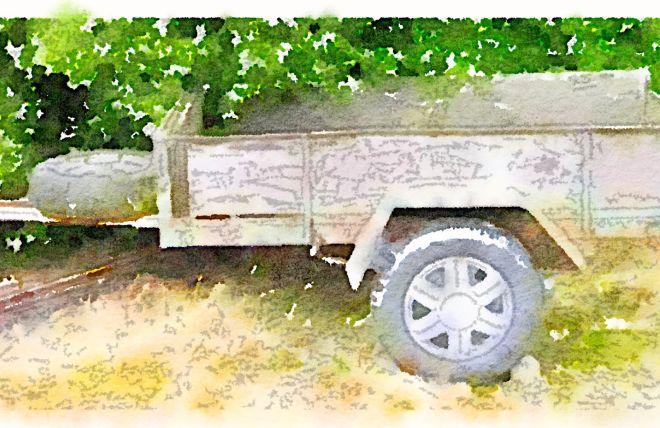
The cheapest trailer to build is usually a basic single-axle utility trailer. Think a 4x8, 5x8, or 5x10 frame for yard work, ATVs, mowers, or light property use. If you keep the design simple and avoid expensive add-ons, you may be able to build one in the $1,500 to $2,500 range.
A more substantial single-axle trailer, such as a 6x10 or 6x12 with taller sides, heavier tubing, better wheels and tires, pressure-treated decking, and a cleaner finish, often lands between $2,200 and $3,200. That is where a lot of DIY builders end up once they stop pricing the bare minimum and start pricing the trailer they actually want.
Tandem-axle utility or equipment trailers are a different category. Once you add a second axle, spring hardware, brakes, breakaway kit, larger coupler, stronger jack, and more steel, cost jumps quickly. A basic tandem build might start around $3,500, while a well-equipped equipment hauler can easily run $5,000 to $7,000 in parts alone.
That is why the question is not just how much does it cost to build a trailer. It is also what kind of trailer are you building, and what load are you asking it to carry safely, every time.
The biggest cost drivers
Steel and frame material
Steel is usually one of the largest line items, especially if you are building from raw material instead of modifying an existing frame. The exact cost depends on your region, section size, wall thickness, and whether you use angle, channel, or rectangular tubing.
For a light utility trailer, frame steel might run a few hundred dollars. For a larger tandem or equipment trailer, it can climb well over $1,000 before you buy a single running gear component. Builders often save money here by choosing lighter material, but that can become expensive later if the frame flexes, cracks, or simply does not carry the intended load well.
Axle, suspension, wheels, and tires
This is where many budgets go sideways. A quality axle setup is not cheap, and it should not be. Axle capacity, hub pattern, spring seats, suspension type, and brake configuration all matter.
A basic idler axle setup for a small trailer may be a few hundred dollars. Add electric brakes, better springs, equalizers, tandem hardware, and name-brand wheels and tires, and you can spend $1,000 to $2,500 or more on the running gear alone. If the trailer will see highway miles, rough roads, or heavy loads, this is not the place to cut corners.
Coupler, jack, and safety components
These are smaller line items individually, but together they matter. A coupler, safety chains, jack, breakaway kit if required, and proper tie-down points can add a few hundred dollars without much effort.
Cheap couplers and jacks tend to remind you why they were cheap at the worst possible time. Most builders are better off buying decent hardware once instead of replacing bargain components later.
Decking, sides, and ramps
Wood decking can be fairly affordable, but the price varies with lumber type and local market conditions. Pressure-treated boards, treated plywood, or steel decking all change the total quickly.
If you add expanded metal sides, tube side rails, a gate ramp, slide-in ramps, or dovetail fabrication, expect material and labor time to increase. A simple flat deck is one thing. A trailer with sides, rails, and loading features is another.
Wiring, lighting, and finish
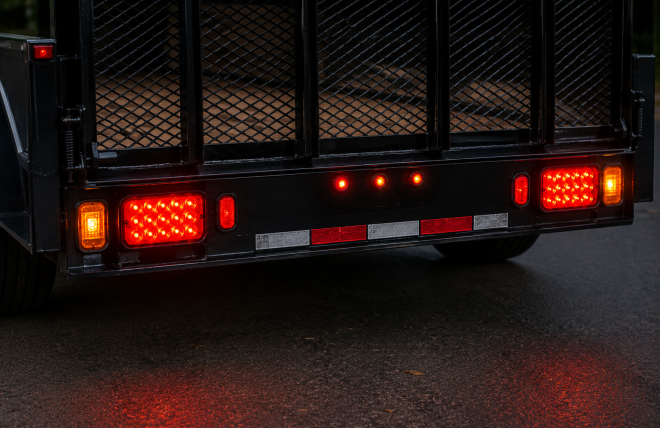
Lights and wiring are not usually budget killers, but poor wiring creates endless headaches. A good harness, sealed lights, junction box, loom, and proper grounding are worth the money.
Paint, primer, and surface prep also cost more than people expect. If you want a trailer that still looks decent after a few seasons, finishing materials are part of the real build cost, not an optional extra.
Typical DIY trailer cost ranges
Here is a realistic way to think about the numbers.
A small 4x8 or 5x8 single-axle utility trailer with a light frame, no brakes, basic lights, wood deck, and simple finish often falls around $1,500 to $2,200.
A 5x10 or 6x10 utility trailer with heavier material, better tires, fenders, stronger coupler, and cleaner construction is commonly $2,000 to $3,000.
A 6x12 single-axle or light tandem trailer with upgraded capacity, side rails, and better components may run $2,800 to $4,000.
A tandem-axle car hauler or equipment trailer with brakes, ramps, and heavier structural steel often starts near $4,500 and can move well past $6,000 depending on capacity and finish.
Those numbers assume you are buying parts at normal retail or local supplier pricing and doing your own fabrication. If you already own material, find good surplus parts, or start with a donor trailer, you may beat those numbers. If you pay for welding, cutting, blasting, or wiring help, the build cost rises fast.
What people forget to include
The most common budget mistake is pricing only the major parts. Then the small stuff starts showing up.
Hardware matters. Bolts, U-bolts, spring hangers, shackles, weld-on tabs, stake pockets, wiring clamps, license plate bracket, grease caps, bearings, connectors, and consumables can add several hundred dollars by the end.
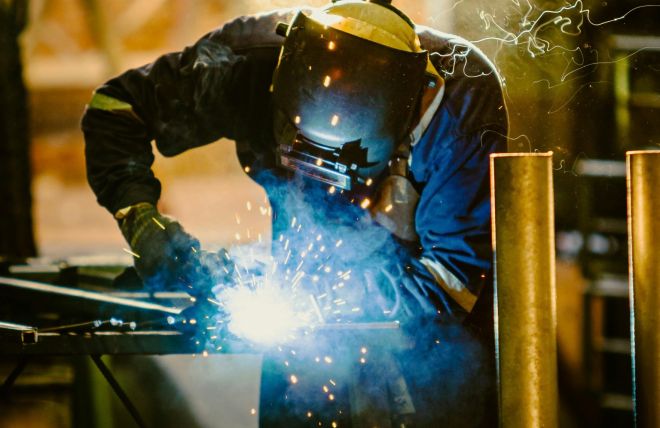
Then there are shop costs. Cutting discs, flap wheels, shielding gas, welding wire, drill bits, primer, paint, solvent, and shop electricity may not feel like trailer parts, but they are part of what it costs to build one.
Time has a cost too. If you enjoy fabrication, that may be part of the value. If your goal is only to save money, be honest about how many hours you will spend sourcing parts, cutting steel, squaring the frame, welding, wiring, painting, and troubleshooting.
Is it cheaper to build or buy?
Sometimes yes. Sometimes no.
Building often makes sense when you want a specific size, a stronger frame than many budget factory trailers offer, or a layout that fits your exact use. It also makes sense if you already weld, already have tools, and know how to source parts without buying everything the hard way.
Buying can be the better value when mass-produced trailers are readily available in your area and your needs are basic. There are cases where a factory-built trailer costs about the same as a DIY build once you count every material, every consumable, and every hour. That is especially true for smaller trailers.
Where DIY usually pulls ahead is quality control and fit for purpose. You can build heavier where it matters, choose better components, and avoid the weakest shortcuts found on some low-end trailers. But that only works if the design is sound. A poorly planned homemade trailer is not a bargain. It is just homemade.
How to keep trailer build cost under control
Start with the load, not the trailer size. If you know the heaviest real-world load, how often it will travel, and whether you need brakes, your design gets simpler and your parts list gets more honest.
Next, avoid overbuilding and underbuilding. Too much steel increases cost and empty weight. Too little steel creates flex and fatigue. A good trailer is not the heaviest one. It is the one with the right structure for the work.
It also helps to standardize parts. Common wheel sizes, common hub patterns, common coupler sizes, and readily available light kits make future maintenance cheaper.
If you are working from plans, that usually saves money in a very unglamorous way - fewer mistakes. Recut steel, moved spring hangers, bad tongue geometry, poor axle placement, and wiring do-overs can burn through a budget faster than most builders expect. That is one reason Trailer Sauce focuses so heavily on practical design information instead of guesswork.
A realistic answer to how much does it cost to build a trailer
If you are building a light-duty utility trailer and you already have tools, expect the project to start around the mid-$1,000 range and move up from there based on capacity and finish. If you are building a larger tandem trailer with brakes and real hauling intentions, expect several thousand dollars in parts before the first trip.
The better question is not whether you can build a trailer cheaply. It is whether you can build the right trailer for the money. If you get the structure, axle capacity, tongue design, braking, and component quality right, the finished trailer usually pays you back in reliability, safer towing, and fewer regrets after the paint dries.